Construction accumulations consist of huge chunks of product in a concrete mix, generally a rugged gravel or crushed rocks such as limestone, or granite, together with finer materials such as sand. Concrete is typically utilized for building foundations and grounds because of its strength, toughness, and ability to stand up to water. Concrete foundations can support the weight of a building and secure it from wetness and water damages. In addition, concrete can be reinforced with steel bars to more rise its stamina and longevity. This type of concrete is produced off-site and after that transported to the construction site. It is commonly made use of in the building of precast concrete elements, such as wall surface panels, columns, beams, and staircases.
Soil-cement
Admixtures are added to change the cure price or residential properties of the material. Obvious products include fly ash, a spin-off of coal-fired nuclear power plant; ground granulated blast heater slag, a by-product of steelmaking; and silica fume, a by-product of industrial electric arc heating systems. There are many different sorts of concrete, but one of the most typical are cement, mortar, and concrete. Cement is made from slaked lime and calcium oxide, which react to generate a solidifying agent called calcium silicate hydrate. Concrete is a combination of Portland concrete and crude aggregates, such as gravel or rock. In summary, concrete is a functional and sturdy building product that has been utilized for centuries.
Structures With Specific Units
Lightweight foam obstructs or panels are put together in the form of a building's wall surfaces, reinforced, then full of concrete to result in cast-in-place concrete wall surfaces that are sandwiched between two layers of insulation. ICF wall surfaces are air-tight, solid, insect and fireproof, and durable in severe climate condition. ICF structures provide exceptional power and sound-blocking efficiency for silent, comfortable insides. Concrete that has a density lesser than 1920kg/m3 is classified as lightweight concrete. The utilization https://postheaven.net/celeenuswn/as-the-name-recommends-this-sort-of-concrete-is-lighter-in-weight-than-normal of lightweight aggregates in a concrete style can provide us with lightweight aggregates. Accumulations are the vital part that contributes to the density of the concrete.
- Numerous kilns can be fueled with difficult-to-dispose-of wastes, the most common being used tires.
- Accumulations are generally marked as either penalty (ranging in dimension from 0.025 to 6.5 mm [0.001 to 0.25 inch] or crude (from 6.5 to 38 mm [0.25 to 1.5 inch] or larger).
- Poisson's ratio can influence the overall stamina and stability of concrete frameworks.
- Furthermore, concrete structures can be developed to be energy-efficient and can have a lengthy lifespan with proper upkeep.
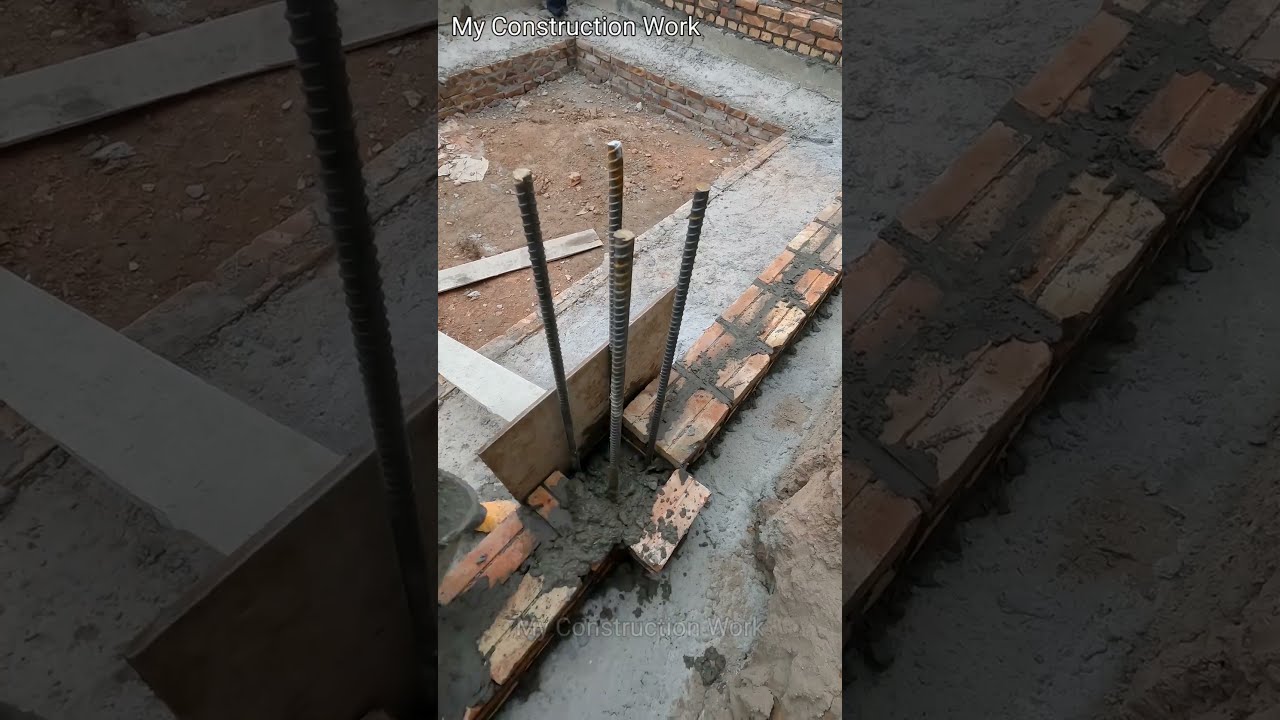
The concrete is cast around these steel reinforcement bars or poles to form the preferred shape. The steel support bars are put as though they offer adequate support to the concrete against the anticipated tons. Reinforced Concrete Concrete, therefore, is a composite product consisting of concrete and steel reinforcements. Cement concrete is a versatile building material with a wide variety of applications.

What is a concrete concept?
Concrete ideas refer to something that is present in the physical world, such as a tree in a forest. This indicates that these principles have physical or spatial restrictions. A tree can grow in a woodland yet out the moon. Concrete principles include yet are not restricted to physical things on the planet.
After water, concrete is one of the most plentiful resource in the world-- or to place it another means, one of the most used man-made product on earth. Upon more characterization of these lime clasts, utilizing high-resolution multiscale imaging and chemical mapping strategies pioneered in Masic's research study lab, the researchers gained new insights right into the potential capability of these lime clasts. On-going study into alternative mixtures and components has actually recognized potential mixes that promise drastically different properties and characteristics. Different types of concrete have actually been established for expert application and have actually come to be recognized by these names. This allows a customer of the concrete to be certain that the structure will certainly carry out properly.
As the name suggests these concretes can acquire toughness within a couple of hours once it's made. As a result, the formwork elimination is created just and the building construction is roofed rapidly. These have a widespread application within roadway fixings, as they'll be reused when in some hours. Researchers from MIT and various other organizations have revealed a component called quicklime made use of in ancient Roman methods for manufacturing concrete that might have provided the material self-healing buildings, reports Jacklin Kwan for Science Magazine. When the scientists made their own Roman concrete and checked to see exactly how it took care of fractures, "the lime lumps dissolved and recrystallized, properly completing the splits and keeping the concrete solid," Kwan clarifies.
Concrete can be stamped or coloured to match the appearances of the surrounding area, making it an appealing option for home owners. Furthermore, concrete can endure hefty lots and is immune to fracturing, making it a lasting and reputable choice. See how different kinds of concrete and cementitious products can be used in the complying with applications. Cement-modified soil (CMS) is a mix of soil, water, and a small amount of cement. This creates a product that is much easier to work with and much less influenced by wetness compared to untreated soil. High performance concrete (HPC) and ultra-high efficiency concrete (UHPC) is engineered for performance that goes beyond that of regular concrete.